Double jaw surgery, also known as bimaxillary osteotomy, is a corrective surgical procedure that involves adjusting both the upper jaw (maxilla) and lower jaw (mandible). It is usually recommended for people who have jaw misalignment issues that cannot be fixed through braces alone. While the idea of jaw surgery may sound overwhelming, it plays a major role in improving facial balance, chewing ability, speech clarity, and overall self-confidence.
In this guide, we will explain what double jaw surgery is, why it is done, how the procedure works, what to expect during recovery, and important benefits and risks—all in simple, easy-to-understand language.
What Is Double Jaw Surgery?
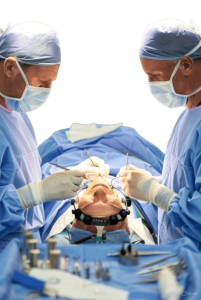
Double jaw surgery involves repositioning both jaws to achieve better alignment. Many people have issues where their jaws do not meet properly—this may cause problems such as difficulty chewing, a poor bite, jaw pain, or an uneven facial structure. When braces alone cannot fix the problem, surgeons may recommend double jaw surgery.
It is usually performed by an oral and maxillofacial surgeon and requires careful planning with your orthodontist. Patients often wear braces before and after the surgery to ensure the teeth align properly once the jaws are moved into the right position.
Who Needs Double Jaw Surgery?
Not everyone with crooked teeth needs surgery. It is recommended for individuals with structural jaw issues such as:
1. Severe Overbite or Underbite
If your upper jaw sticks out too far or your lower jaw is too forward, surgery can realign them.
2. Open Bite
This is when the front teeth do not touch even when the mouth is closed, making chewing difficult.
3. Facial Asymmetry
Some people have one side of the face appearing smaller or lower due to jaw imbalance.
4. Breathing Problems
Jaw abnormality can narrow the airway and contribute to snoring or sleep apnea.
5. Difficulty Chewing or Speaking
A poorly aligned jaw affects everyday tasks like eating and talking.
6. Chronic Jaw Pain (TMJ Disorders)
Misaligned jaws put extra stress on the jaw joints.
If you experience any of these issues, a specialist might recommend double jaw surgery to improve both function and appearance.
How the Procedure Works
The surgery is usually done under general anesthesia, meaning you will be asleep and pain-free throughout.
Step 1: Pre-operative Planning
Before surgery, doctors may take X-rays, 3D scans, photographs, and bite impressions. Some clinics use digital simulations to show how your face will look after the surgery.
Step 2: Upper Jaw Correction (Maxillary Osteotomy)
The surgeon cuts the upper jaw and moves it forward, backward, upward, or downward depending on your needs. Tiny plates and screws are used to hold it in place.
Step 3: Lower Jaw Correction (Mandibular Osteotomy)
Similarly, the lower jaw is cut and repositioned to align perfectly with the upper jaw.
Step 4: Fixation
Once both jaws are in the right position, they are secured with screws, plates, or brackets so they heal properly.
Step 5: Braces and Follow-up
Most patients continue orthodontic treatment for several months after surgery to fine-tune the bite.
The entire surgery generally takes 3 to 5 hours, depending on the complexity.
Recovery After Double Jaw Surgery
Recovery is an important phase, and patients should follow their doctor’s instructions strictly.
1. Hospital Stay
Most patients stay in the hospital for 1–2 days.
2. Swelling and Discomfort
Expect swelling for the first 2–3 weeks. The most significant swelling reduces after one month, but full healing may take several months.
3. Liquid and Soft Diet
During the initial weeks, you will be limited to liquids like soups, smoothies, and juices. Gradually, you can switch to soft foods.
4. Limited Movement
Your jaws may feel tight or stiff. Light exercises recommended by your surgeon will help restore normal movement.
5. Back to Normal Life
Most people return to school or work within 2–4 weeks, depending on recovery speed.
Benefits of Double Jaw Surgery
Double jaw surgery offers several life-changing benefits:
⭐ Better Bite and Chewing Ability
Food feels easier to chew and digest once the jaws are aligned.
⭐ Improved Speech
Jaw alignment often improves speech clarity.
⭐ Balanced Facial Appearance
Many patients see a more symmetrical, attractive face after surgery.
⭐ Better Breathing
Correcting the jaw position can open up the airway, reducing snoring and sleep apnea.
⭐ Relief from Pain
Jaw joint pain and headaches may decrease after proper alignment.
⭐ Boost in Confidence
With improved function and appearance, many people feel more confident in social and professional settings.
Possible Risks and Side Effects
As with any surgery, there are risks involved. These may include:
-
Infection
-
Bleeding
-
Swelling and bruising
-
Numbness in the lips or cheeks (temporary or rarely permanent)
-
Need for additional adjustments
-
Discomfort during healing
Choosing an experienced surgeon reduces these risks significantly.
Is Double Jaw Surgery Worth It?
For many people, double jaw surgery is life-transforming. It improves both function and appearance, giving long-term benefits and relief from chronic issues like breathing difficulties and jaw pain. Although recovery takes time and patience, the results are usually permanent and highly rewarding.
Conclusion
Double jaw surgery is a major but highly effective procedure designed to correct jaw misalignment, improve facial structure, and enhance the quality of life. With proper planning, skilled surgery, and patient commitment during recovery, the outcomes can be outstanding.