A confident smile can change the way you feel about yourself, and thanks to modern dentistry, achieving a beautiful smile is easier than ever. One of the most popular, affordable, and painless cosmetic dental treatments today is composite bonding, also known as dental bonding or tooth bonding. This procedure is widely chosen by people who want quick improvements without going through complex dental treatments.
In this article, you will learn what composite bonding is, how it works, who it is suitable for, its benefits, limitations, cost considerations, aftercare tips, and everything you need to know before deciding if it’s the right choice for you.
What Is Composite Bonding?
Composite bonding is a cosmetic dental procedure in which a dentist applies a tooth-colored resin material to your teeth to improve their appearance. The material is carefully shaped, polished, and hardened to create a natural, flawless look. It blends perfectly with your existing teeth and enhances your smile instantly.
Unlike veneers or crowns, composite bonding does not require removing a large amount of tooth structure. In most cases, the dentist doesn’t even need to use anesthesia.
What Problems Can Composite bonding teeth Fix?
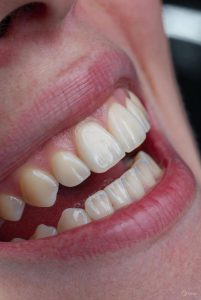
Composite bonding can repair a wide range of dental imperfections. It is ideal for people who want to fix:
-
Chipped or cracked teeth
-
Small gaps between teeth
-
Teeth that look too short
-
Mildly misaligned teeth
-
Discoloration or stains
-
Uneven or worn edges
-
Slight shape irregularities
If you are looking for a treatment that gives fast yet natural results, bonding is one of the best options.
How Does the Composite Bonding Procedure Work?
The bonding procedure is simple and usually completed in 45–60 minutes per tooth. Here’s what you can expect:
1. Consultation
Your dentist first examines your teeth to determine if bonding is suitable for you. They may take photos or discuss the shade you want.
2. Tooth Preparation
Unlike veneers or crowns, preparation is minimal. The surface of the tooth is gently roughened and treated with a conditioning liquid to help the bonding material stick better.
3. Application of Composite Resin
Your dentist applies soft, tooth-colored resin and carefully molds it into the desired shape.
4. Hardening (Curing)
A special blue light is used to harden the resin within seconds.
5. Shaping and Polishing
Once hardened, the dentist shapes and polishes the resin to give it a smooth, natural look.
There is no pain, no drilling in most cases, and you can go home with an improved smile immediately.
Who Is a Good Candidate for Composite Bonding?
Composite bonding is perfect for:
-
People who want a smile makeover on a budget
-
Those looking for a non-invasive treatment
-
Anyone with minor cosmetic issues
-
Individuals who want instant results
-
People not ready for veneers or orthodontic treatment
However, bonding may not be suitable for individuals with:
-
Severe tooth decay
-
Major bite issues
-
Large cracks that need crowns
-
Heavy teeth grinding (unless wearing a nightguard)
Your dentist will always check these factors before recommending bonding.
Benefits of Composite Bonding
1. Affordable
Compared to porcelain veneers or crowns, bonding is much cheaper while still offering impressive results.
2. Quick Results
You can walk into a dental clinic and walk out with a transformed smile on the same day.
3. Painless and Non-Invasive
No injections, no drilling, and no removal of significant tooth structure.
4. Natural Appearance
The resin matches the color of your natural teeth, giving you a seamless look.
5. Reversible
Since minimal tooth enamel is removed, the procedure is reversible in most cases.
Limitations of Composite Bonding
While bonding is an excellent option, it does have some limitations:
-
Not as strong as veneers or crowns
Composite resin can chip if you bite on very hard foods or objects. -
May stain over time
Coffee, tea, red wine, and tobacco can cause discoloration. -
Shorter lifespan
With proper care, bonding lasts 4–8 years, while veneers can last 10–15 years.
Understanding these limitations helps you maintain realistic expectations.
How to Take Care of Bonded Teeth
Good care can extend the lifespan of composite bonding. Follow these tips:
-
Avoid biting hard foods (ice, nuts, pen caps)
-
Rinse your mouth after drinking coffee, tea, or wine
-
Brush twice daily and floss regularly
-
Visit your dentist for polishing every 6 months
-
Wear a nightguard if you grind your teeth
-
Avoid biting nails or opening packets with your teeth
With proper maintenance, bonded teeth can stay beautiful for years.
Cost of Composite Bonding
The cost varies depending on your location, dentist’s expertise, and the number of teeth treated. Generally, bonding is more affordable than other cosmetic treatments.
On average, the cost per tooth may range from:
-
£100 to £350 in the UK
-
$100 to $400 in the USA
Many people choose bonding because it provides great results without breaking the bank.
Is Composite Bonding Worth It?
Yes—if you’re looking for a quick, natural, and affordable way to enhance your smile, composite bonding is absolutely worth it. It’s a popular choice for students, professionals, and anyone planning special events like weddings or photoshoots. The procedure is safe, reversible, and offers a dramatic improvement in your smile with minimal effort.
Final Thoughts
Composite bonding teeth is a simple and effective cosmetic dental solution that helps you achieve a brighter, more even, and more confident smile. Whether you want to fix a chipped tooth, close a gap, or reshape your teeth, bonding offers a painless and fast solution.
If you’re considering enhancing your smile, composite bonding might be the perfect place to start.