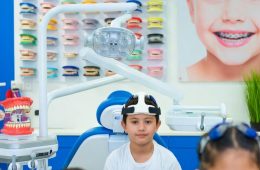
Early orthodontic treatment, often called interceptive orthodontics, focuses on identifying and correcting dental and jaw problems in children while they are still growing. Instead of waiting until all permanent teeth appear, early treatment allows orthodontists to guide proper jaw development, improve tooth alignment, and prevent more serious problems later in life.
Parents often wonder whether orthodontic care should start early or wait until the teenage years. The truth is that early orthodontic treatment can save time, money, and discomfort by addressing issues before they become more complex.
What Is Early Orthodontic Treatment?
Early orthodontic treatment usually begins between the ages of 6 and 10, when a child has a mix of baby teeth and permanent teeth. At this stage, the jaw is still developing, making it easier to correct certain problems.
Unlike full braces, early treatment may involve simple appliances designed to guide growth rather than straighten every tooth. The goal is not always to complete treatment early, but to reduce or eliminate the need for complicated orthodontic work later.
When Should a Child See an Orthodontist?

Most dental professionals recommend that children have their first orthodontic evaluation by age 7. At this age, orthodontists can detect developing issues even if they are not obvious to parents.
Early evaluation does not always mean immediate treatment. In many cases, the orthodontist may simply monitor growth and recommend treatment only if needed.
Common Problems Treated Early
Early orthodontic treatment can help manage several dental and jaw issues, including:
1. Crowded or Misaligned Teeth
When there is not enough space for permanent teeth, early treatment can help create room and guide proper eruption.
2. Bite Problems
This includes:
-
Overbite
-
Underbite
-
Crossbite
-
Open bite
Correcting these early can improve chewing, speech, and facial balance.
3. Jaw Growth Issues
Some children have jaws that grow unevenly. Early intervention can guide jaw development and reduce the need for surgery later.
4. Thumb Sucking and Oral Habits
Persistent habits such as thumb sucking or tongue thrusting can affect tooth alignment. Early treatment helps stop these habits and prevent long-term damage.
5. Protruding Front Teeth
Children with teeth that stick out are more likely to experience injury. Early orthodontics can reduce this risk.
Benefits of Early Orthodontic Treatment
Starting orthodontic care early offers several important advantages:
1. Prevents Severe Problems Later
Treating issues early can stop them from worsening, making future treatment shorter and simpler.
2. Guides Proper Jaw Growth
Early appliances can help ensure the jaw grows in the right direction, improving facial symmetry.
3. Reduces Need for Tooth Extractions
By creating space early, orthodontists can often avoid removing permanent teeth later.
4. Shortens Treatment Time in Teenage Years
Children who receive early treatment often need less time in braces later on.
5. Improves Confidence and Self-Esteem
A healthy smile at a young age can boost a child’s confidence and social comfort.
Types of Early Orthodontic Appliances
Early treatment does not always involve traditional braces. Common appliances include:
-
Palatal expanders – widen the upper jaw to create space
-
Space maintainers – keep room for permanent teeth
-
Partial braces – align specific teeth
-
Functional appliances – guide jaw growth
-
Habit-breaking appliances – stop thumb sucking or tongue thrusting
These appliances are typically comfortable and designed specifically for children.
Is Early Orthodontic Treatment Always Necessary?
Not every child needs early orthodontic treatment. Some children develop healthy alignment naturally and only require braces in their teenage years.
However, early evaluation is still important, as it allows orthodontists to monitor growth and act at the right time if needed. Delaying treatment in children who do need early care can lead to more complicated and expensive procedures later.
Phase One and Phase Two Treatment
Early orthodontic care is often divided into two phases:
Phase One: Early Treatment
-
Begins between ages 6–10
-
Focuses on jaw growth and major alignment issues
-
Uses simple appliances
Phase Two: Comprehensive Treatment
-
Begins when most permanent teeth are present
-
Usually involves braces or clear aligners
-
Fine-tunes alignment and bite
Not all children who complete Phase One will need Phase Two, but many benefit from both stages.
How Long Does Early Orthodontic Treatment Take?
The duration varies depending on the child’s condition, but Phase One treatment typically lasts 6 to 18 months. After that, the orthodontist may recommend a resting period to allow natural growth before further treatment.
Caring for Teeth During Early Orthodontic Treatment
Good oral hygiene is essential during treatment. Parents should encourage children to:
-
Brush teeth twice daily
-
Clean around appliances carefully
-
Avoid sticky or hard foods
-
Attend regular dental checkups
Proper care ensures effective treatment and prevents cavities or gum issues.
Final Thoughts
Early orthodontic treatment is an investment in a child’s long-term oral health. By identifying and correcting problems at a young age, orthodontists can guide proper development, prevent serious issues, and create a strong foundation for a healthy smile.
If your child is around age seven, scheduling an orthodontic evaluation is a smart and proactive step. Even if treatment is not immediately required, early assessment provides peace of mind and helps ensure the best possible outcome for your child’s dental future.
A confident smile starts early—and early orthodontic treatment can make all the difference.