Maintaining good oral health goes beyond brushing and flossing at home. While daily oral hygiene is important, it is not always enough to remove stubborn plaque, tartar, and hidden bacteria. This is where professional dental cleaning plays a vital role. Regular dental cleanings performed by trained dental professionals help keep your teeth, gums, and mouth healthy while preventing serious oral problems.
In this article, we will explain what professional dental cleaning is, how it works, its benefits, and why it should be a part of your regular healthcare routine.
What Is Professional Dental Cleaning?
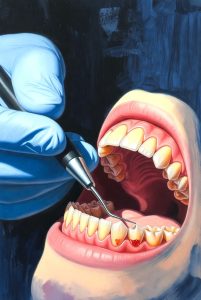
Professional dental cleaning, also known as oral prophylaxis, is a dental procedure carried out by a dentist or dental hygienist to thoroughly clean your teeth and gums. Unlike routine brushing at home, professional cleaning uses specialized tools to remove plaque, tartar (hardened plaque), and stains that are difficult to eliminate on your own.
Even people who brush twice a day and floss regularly can develop tartar in hard-to-reach areas. Once plaque turns into tartar, it cannot be removed with a toothbrush and requires professional treatment.
What Happens During a Professional Dental Cleaning?
A professional dental cleaning is usually a simple and comfortable procedure. It typically includes the following steps:
1. Oral Examination
The dentist or hygienist first examines your mouth using a small mirror to check for signs of gum disease, cavities, or other dental concerns.
2. Plaque and Tartar Removal
Using special instruments or ultrasonic tools, the hygienist removes plaque and tartar from the surface of the teeth and along the gum line. This step is essential for preventing gum disease and tooth decay.
3. Deep Cleaning and Polishing
After tartar removal, your teeth are polished using a gritty toothpaste and a rotating brush. This helps remove surface stains and leaves your teeth smooth and shiny.
4. Flossing and Rinsing
Professional flossing ensures all debris between the teeth is removed. A rinse may follow to wash away remaining particles.
5. Fluoride Treatment (Optional)
In some cases, a fluoride treatment is applied to strengthen tooth enamel and protect against cavities.
The entire process usually takes 30 to 60 minutes, depending on your oral health condition.
Benefits of Professional Dental Cleaning
Regular professional dental cleanings offer many long-term benefits for your oral and overall health.
Prevents Gum Disease
One of the biggest benefits is preventing gum disease. Plaque buildup can lead to gingivitis and periodontitis, which may cause gum inflammation, bleeding, and even tooth loss if left untreated.
Reduces the Risk of Cavities
By removing harmful bacteria and plaque, professional dental cleaning significantly lowers the risk of cavities and tooth decay.
Improves Breath
Persistent bad breath is often caused by bacteria trapped under the gum line or between teeth. Professional cleaning removes these odor-causing bacteria, leaving your mouth feeling fresh.
Keeps Teeth Looking Bright
Dental cleanings remove surface stains caused by coffee, tea, smoking, and certain foods, helping maintain a brighter and healthier-looking smile.
Saves Money in the Long Run
Preventive dental care is much more affordable than treating advanced dental problems. Regular cleanings can help avoid costly procedures such as root canals, extractions, or gum surgery.
How Often Should You Get a Professional Dental Cleaning?
Most dentists recommend having a professional dental cleaning every six months. However, the ideal frequency depends on your oral health. People with gum disease, diabetes, smoking habits, or a history of frequent cavities may need more frequent cleanings.
Your dentist will advise you based on your individual needs.
Is Professional Dental Cleaning Painful?
Professional dental cleaning is generally painless. Some people may experience mild discomfort or sensitivity, especially if they have gum inflammation or heavy tartar buildup. However, modern dental tools and techniques make the process very comfortable.
If you have sensitive teeth, you can inform your dentist beforehand so they can take extra care during the procedure.
Who Needs Professional Dental Cleaning?
Professional dental cleaning is recommended for everyone, including:
-
Children and teenagers
-
Adults and seniors
-
People with braces or dental implants
-
Smokers
-
Individuals with gum disease or chronic health conditions
Regular cleanings help detect dental issues early, making treatment easier and more effective.
Professional Dental Cleaning vs. At-Home Cleaning
While brushing and flossing are essential daily habits, they cannot replace professional dental cleaning. Home care helps control plaque, but professional tools are required to remove hardened tartar and bacteria below the gum line.
Both work together to maintain excellent oral health.
Final Thoughts
Professional dental cleaning is a simple yet powerful step toward maintaining a healthy smile. It not only keeps your teeth clean and bright but also protects you from serious dental problems. By scheduling regular dental cleanings, you invest in your long-term oral health, boost your confidence, and reduce future dental costs.
If you want strong teeth, healthy gums, and fresh breath, make professional dental cleaning a regular part of your healthcare routine. A clean smile is more than just attractive—it’s a sign of good health.