If you’ve recently started orthodontic treatment or are planning to get braces, your orthodontist might have mentioned something called bite blocks. These small but important devices play a big role in helping your teeth align properly during your braces journey.
In this article, we’ll explain what bite blocks are, why they are used, how they feel, and how you can adjust to them. By the end, you’ll have a clear idea of what to expect — along with answers to the most common questions people ask about bite blocks.
What Are Bite Blocks?
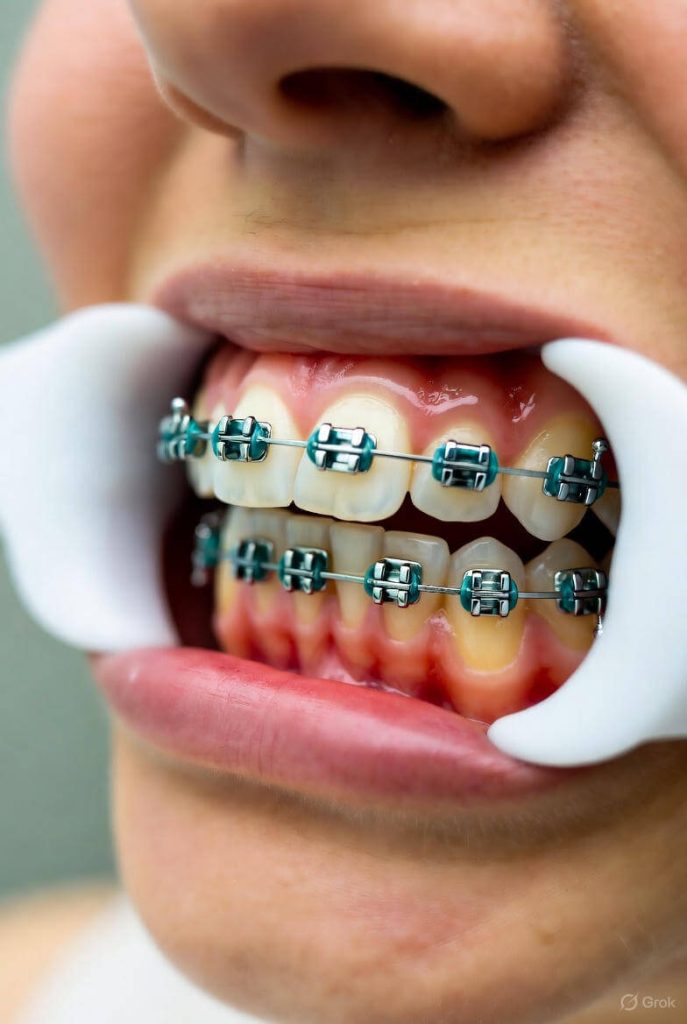
Bite blocks (also known as bite turbos or bite ramps) are small orthodontic accessories placed on certain teeth to help manage your bite while wearing braces.
They are typically made of acrylic, metal, or dental bonding material, and can be blue, white, or tooth-colored. Bite blocks can be placed on the back molars or behind the upper front teeth, depending on what your orthodontist needs to correct.
Why Are Bite Blocks Used?
When you first get braces, your top and bottom teeth can sometimes collide or press too hard against each other. This pressure can cause:
- Brackets to pop off
- Uneven tooth movement
- Jaw strain or discomfort
Bite blocks prevent these problems by keeping your upper and lower teeth slightly apart.
Here are the main purposes of bite blocks:
- Prevent Bracket Damage – They stop your teeth from biting down directly on the brackets.
- Correct Bite Alignment – They gradually guide your bite into a better position.
- Speed Up Orthodontic Treatment – They help your teeth move efficiently without interference.
- Protect Teeth and Gums – They prevent unnecessary grinding or wear during treatment.
Types of Bite Blocks
There are a few variations of bite blocks depending on the location and purpose:
- Front Bite Blocks (Anterior Bite Turbos):
These are placed behind the front teeth to prevent the back teeth from touching. Commonly used for deep bites. - Back Bite Blocks (Posterior Bite Turbos):
These are attached to the molars, keeping the front teeth from touching and helping correct overbites or crossbites. - Rubber or Acrylic Bite Blocks:
Some orthodontists use softer materials like rubber or acrylic to make them more comfortable.
What Do Bite Blocks Braces Feel Like?
At first, having bite blocks can feel strange or uncomfortable. You might notice:
- Difficulty chewing or biting food
- A lisp or speech difficulty for a few days
- Uneven pressure when you close your mouth
However, these sensations usually improve within a week or two as your mouth adjusts. Your tongue, teeth, and jaw quickly learn how to work around them.
If you experience pain or the blocks feel too high, your orthodontist can adjust their height for comfort.
Tips to Adjust to Bite Blocks
The first few days with bite blocks can be challenging, but with a few simple tips, you can adapt quickly:
- Stick to Soft Foods
Eat soups, mashed potatoes, yogurt, smoothies, pasta, or eggs during the first week. - Chew Slowly and Carefully
Avoid biting hard foods as they can break the bite blocks or cause discomfort. - Practice Speaking
Read aloud or talk more to help your tongue adjust to the new space in your mouth. - Maintain Good Oral Hygiene
Use a soft-bristle toothbrush and rinse after eating to keep the blocks and braces clean. - Be Patient
Your bite and speech will return to normal once your teeth adjust to the new bite position.
How Long Do You Need Bite Blocks?
The duration depends on your specific orthodontic needs.
In most cases, bite blocks stay in place for a few months, but some patients may need them throughout their entire braces treatment.
Your orthodontist will remove or adjust them once your bite is properly aligned and your teeth can close comfortably without interference.
Can Bite Blocks Break or Fall Off?
Yes, sometimes bite blocks can chip or come off — especially if you eat hard or sticky foods.
If that happens, don’t try to fix them yourself. Contact your orthodontist immediately so they can repair or replace them.
Broken or missing bite blocks can affect your treatment progress, so it’s important to get them checked quickly.
Final Thoughts
Bite blocks may seem like a small part of your braces treatment, but they play a huge role in ensuring that your teeth move safely and effectively. Although they might feel awkward at first, the discomfort is temporary and the benefits are long-term.
With proper care, patience, and regular orthodontic checkups, you’ll soon get used to your bite blocks — and they’ll help you move one step closer to a perfect smile.
Frequently Asked Questions (FAQs)
1. Do bite blocks hurt?
You may feel mild discomfort or pressure during the first few days, but it’s not usually painful. The soreness fades as your mouth adjusts.
2. How long does it take to get used to bite blocks?
Most people adapt within 5–10 days, though speech and chewing might take a bit longer to feel completely normal.
3. Can I eat normally with bite blocks?
Not at first. Stick to soft foods like mashed potatoes, soups, and yogurt until you’re comfortable. Avoid crunchy or sticky foods that could damage the bite blocks.
4. Will bite blocks affect my speech?
Yes, temporarily. You might lisp for a few days, but reading aloud or practicing talking can help your tongue adjust faster.
5. When will my orthodontist remove the bite blocks?
They’ll remove or adjust them once your bite alignment improves — typically after a few months, depending on your progress.