If you’ve ever noticed a bad smell when flossing your teeth, you’re not alone. Many people feel confused or even worried when their dental floss smells unpleasant after cleaning between their teeth. While it can be uncomfortable, flossing teeth smell is actually a common issue—and in most cases, it’s a sign that your mouth needs better cleaning or care.
In this article, we’ll explain what flossing teeth smell means, the most common causes behind it, and how you can fix and prevent it with simple daily habits.
Why Does Dental Floss Smell Bad?
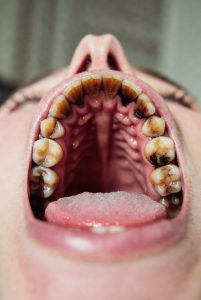
When floss smells bad, it usually means there is bacteria, food debris, or plaque trapped between your teeth or under your gum line. These areas are hard to reach with a toothbrush alone, which is why flossing is so important.
The smell often comes from sulfur-producing bacteria. These bacteria break down food particles and dead cells, releasing unpleasant odors similar to rotten eggs. If this smell appears every time you floss, it’s your mouth telling you something isn’t right.
Common Causes of Flossing Teeth Smell
1. Food Stuck Between Teeth
Tiny food particles can easily get stuck between teeth, especially after eating meat, dairy, or sugary foods. When left there, bacteria feed on these particles and create bad odors. Flossing removes the trapped food, which is why the smell becomes noticeable on the floss.
2. Plaque and Tartar Buildup
Plaque is a sticky film of bacteria that forms on teeth every day. If plaque is not removed properly, it hardens into tartar. Both plaque and tartar can cause flossing teeth smell because they trap bacteria and produce odor.
3. Gum Disease (Gingivitis or Periodontitis)
One of the most serious reasons for bad smell while flossing is gum disease. Early gum disease (gingivitis) causes redness, swelling, and bleeding gums. Advanced gum disease (periodontitis) creates pockets under the gums where bacteria grow, causing strong smells when flossing.
4. Poor Oral Hygiene
If flossing is irregular or done incorrectly, bacteria have more time to multiply between teeth. Skipping flossing for days or weeks can lead to a strong odor when you finally floss.
5. Dry Mouth
Saliva helps wash away bacteria and food particles. If you have a dry mouth due to dehydration, medications, or mouth breathing, bacteria can build up faster, leading to flossing teeth smell.
6. Cavities Between Teeth
Cavities that form between teeth are difficult to see but can trap bacteria and decay food. When you floss around these areas, the smell becomes noticeable.
Is Flossing Teeth Smell a Serious Problem?
Not always—but it should not be ignored.
Occasional bad smell when flossing usually means food or plaque buildup and can be fixed with better oral hygiene. However, if the smell is strong, persistent, and comes with bleeding gums, pain, or swelling, it could be a sign of gum disease or tooth decay.
If the smell doesn’t improve after a few weeks of proper flossing and brushing, it’s best to visit a dentist for a professional checkup.
How to Get Rid of Flossing Teeth Smell
1. Floss Daily (Not Occasionally)
Flossing once in a while is not enough. Daily flossing removes food and plaque before bacteria can cause odor. Be gentle and make sure to reach slightly under the gum line.
2. Use the Correct Flossing Technique
Slide the floss gently between teeth, curve it into a “C” shape around each tooth, and move it up and down. Avoid snapping the floss, as this can hurt your gums.
3. Brush Twice a Day
Brushing your teeth at least twice a day with fluoride toothpaste helps reduce bacteria that cause bad smells. Don’t forget to brush along the gum line.
4. Clean Your Tongue
The tongue holds a large amount of bacteria. Use a tongue scraper or your toothbrush to clean it daily. This can significantly reduce mouth odor.
5. Rinse with an Antibacterial Mouthwash
An antibacterial or alcohol-free mouthwash helps kill odor-causing bacteria and keeps your mouth fresh.
6. Stay Hydrated
Drink plenty of water throughout the day to prevent dry mouth and help wash away food particles and bacteria.
7. Replace Your Toothbrush Regularly
Old toothbrushes can carry bacteria. Replace your toothbrush every 3 months or sooner if the bristles are worn.
When Should You See a Dentist?
You should book a dental appointment if:
-
The flossing teeth smell does not go away after improving oral hygiene
-
Your gums bleed frequently when flossing
-
You have swollen, painful, or receding gums
-
You notice a bad taste in your mouth all the time
A dentist can perform a professional cleaning, check for gum disease or cavities, and guide you on better oral care.
Can Flossing Make Breath Smell Better?
Yes—absolutely.
Many people brush their teeth daily but skip flossing. This leaves up to 40% of tooth surfaces uncleaned. Regular flossing removes hidden bacteria and food debris, making your breath fresher and your mouth healthier.
At first, you may notice a bad smell on the floss, but with consistent flossing, the smell usually disappears within a few weeks.
Final Thoughts
Flossing teeth smell is a common and often harmless issue, but it’s also an important warning sign. It usually means there is bacteria, plaque, or food trapped between your teeth or under your gums. The good news is that with daily flossing, proper brushing, and good oral hygiene habits, this problem can be easily fixed.
Think of flossing not just as a cleaning step, but as a way to protect your gums, improve your breath, and keep your smile healthy for life. If the smell continues despite your efforts, don’t ignore it—your dentist can help you find the cause and solution.