If your orthodontist recently placed bite blocks in your mouth, you’re probably wondering how you will eat, chew, and manage daily life with them. Bite blocks—also known as turbos, bite ramps, or bite props—are small orthodontic devices added to your teeth to stop the upper and lower teeth from touching. They help correct deep bites, prevent brackets from breaking, and guide your teeth into the correct position during treatment.
However, chewing with bite blocks can feel strange and frustrating in the beginning. Many patients say they feel like they “can’t chew anything” or only bite on two tiny points. The good news is that this is temporary, and with the right techniques, you can eat comfortably and safely within a few days.
This guide will walk you through how to chew with bite blocks, what foods to start with, how long the discomfort lasts, and tips to make the transition smooth and stress-free.
What Are Bite Blocks and Why Are They Used?
Before learning how to chew with them, it helps to understand why they are needed.
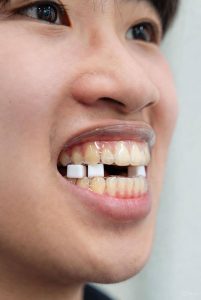
Bite blocks are small additions made of composite material, rubber, or metal placed on the molars or front teeth. They are usually:
-
Blue or tooth-coloured
-
Placed on either the top or bottom teeth
-
Raised slightly to stop upper and lower teeth from meeting fully
Your orthodontist uses them for:
-
Preventing brackets from breaking when the teeth clamp together
-
Correcting deep bite or overbite
-
Guiding jaw alignment
-
Speeding up tooth movement
-
Supporting crossbite correction
They are completely safe, removable only by the orthodontist, and temporary.
Why Chewing Feels Difficult at First
Chewing becomes challenging because:
-
Your teeth no longer meet naturally
-
You are biting only on a small point or surface
-
Your jaw muscles need time to adjust
-
Your tongue, cheeks, and lips are learning a new movement pattern
Most patients take 3–7 days to adapt; some may take up to two weeks.
How to Chew With Bite Blocks: Step-by-Step Guide
Here is a practical, beginner-friendly method to help you chew pain-free and confidently.
1. Start With Soft Foods Only (First 3–5 Days)
Your first meals with bite blocks should be soft, smooth, and easy to swallow.
Recommended foods:
-
Mashed potatoes
-
Yogurt
-
Scrambled eggs
-
Soup
-
Oatmeal
-
Rice
-
Pasta
-
Khichdi
-
Smoothies
-
Well-cooked vegetables
-
Fish (soft)
-
Soft bread soaked slightly
Avoid anything that requires heavy chewing, such as meat, raw carrots, crusty bread, and pizza.
2. Take Small Bites
Large bites require more force and movement, which is much harder when your bite is elevated.
Instead:
-
Cut food into small pieces
-
Chew slowly and gently
-
Let your tongue help guide the food
Small bites give you better control and reduce discomfort.
3. Use Your Back Teeth to Do Most of the Work
When bite blocks are placed on the molars or front teeth, your back teeth may not touch properly at first.
However, your jaw will learn to adjust.
Try this technique:
-
Place food on the left back side
-
Chew gently
-
Then switch to the right back side
This helps your jaw muscles train evenly and prevents soreness.
4. Use a “Rolling” Chewing Motion
Since your teeth don’t meet normally, the traditional up-and-down chewing may feel impossible.
Use a gentle rolling or grinding motion instead:
-
Move your jaw in small circles
-
Allow the food to break down gradually
-
Keep movements slow and controlled
This technique is easier and less painful when bite blocks are new.
5. Avoid Hard or Sticky Foods Completely
Foods that require force or heavy biting can crack your bite blocks or cause pain.
Avoid:
-
Nuts
-
Chips
-
Pizza crust
-
Hard candies
-
Chewing gum
-
Caramel
-
Toffees
-
Raw carrots or apples (unless grated)
Stick to easy-chew foods until you adapt.
6. Expect Soreness—and Manage It Properly
It’s normal to experience:
-
Sore jaw muscles
-
Sensitive teeth
-
Mild headaches
-
Tiredness while chewing
To reduce discomfort:
-
Take over-the-counter pain relief if recommended by your orthodontist
-
Use warm saltwater rinses
-
Chew slowly and stop when you feel tired
-
Avoid chewing on one side only
The soreness usually fades within a week.
7. Gradually Reintroduce Harder Foods
After the first 5–10 days, you can slowly add slightly firmer foods:
-
Soft chicken pieces
-
Well-cooked beef
-
Paratha (soft)
-
Pancakes
-
Boiled vegetables
Still avoid very crunchy or sticky foods until your orthodontist approves.
8. Practice Makes Everything Easier
Your jaw muscles adapt quickly. The more you practice:
-
The faster you learn to chew naturally
-
The less tired your jaw feels
-
The quicker your bite settles
Most patients fully adjust within 2–3 weeks.
Extra Tips for Eating With Bite Blocks
-
Drink water with meals to help swallow.
-
Don’t rush—slow eating prevents pain.
-
Avoid biting into foods directly (like burgers or apples).
-
Use a spoon more often—it gives better control.
-
Cut everything into smaller portions.
-
Stay positive—it gets much easier soon!
When to Call Your Orthodontist
Contact your orthodontist if:
-
A bite block breaks or falls off
-
You feel severe pain beyond one week
-
Your jaw feels extremely misaligned
-
You cannot chew anything at all after several days
They may adjust or replace the bite blocks if necessary.
Final Thoughts
Learning how to chew with bite blocks is a temporary challenge, but with the right techniques, you can adapt quickly. Start with soft foods, take small bites, chew slowly, and give your jaw time to adjust. Within a week or two, eating will feel much more normal, and your orthodontic treatment will continue progressing safely and effectively.