Maintaining good teeth hygiene is one of the most important habits for overall health and confidence. Clean teeth not only help you look good, but they also protect you from tooth decay, gum disease, bad breath, and other serious oral health problems. Unfortunately, many people underestimate how daily oral care affects their long-term health.
In this guide, we’ll explain what teeth hygiene clean means, why it matters, and how you can keep your teeth and gums healthy with simple daily practices.
What Does Teeth Hygiene Clean Mean?
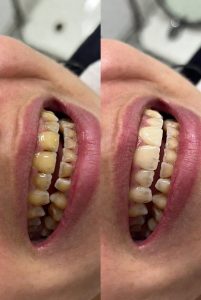
Teeth hygiene clean refers to keeping your teeth, gums, and mouth free from plaque, bacteria, and food debris. It involves regular brushing, flossing, rinsing, and professional dental cleaning. When teeth hygiene is maintained properly, it prevents harmful bacteria from building up and causing oral diseases.
Good teeth hygiene is not only about having white teeth—it’s about maintaining strong enamel, healthy gums, and a clean mouth.
Why Is Teeth Hygiene Clean So Important?
Poor oral hygiene can lead to several dental and health problems. Some of the most common issues caused by unclean teeth include:
-
Tooth decay (cavities)
-
Gum disease (gingivitis and periodontitis)
-
Bad breath (halitosis)
-
Tooth sensitivity
-
Tooth loss
-
Infections that can spread to other parts of the body
Studies have also shown a link between poor oral hygiene and conditions like heart disease, diabetes, and respiratory infections. This makes teeth hygiene clean essential for both oral and overall health.
Daily Teeth Hygiene Clean Routine
Creating a daily routine is the foundation of clean and healthy teeth. Here’s what a good routine should include:
1. Brushing Your Teeth Properly
Brush your teeth at least twice a day, preferably in the morning and before bed. Use a soft-bristled toothbrush and fluoride toothpaste.
Tips for effective brushing:
-
Brush for at least two minutes
-
Hold the brush at a 45-degree angle to your gums
-
Use gentle circular motions
-
Don’t forget to brush the back teeth and tongue
Brushing removes plaque, bacteria, and food particles that can cause decay and bad breath.
2. Flossing Every Day
Many people skip flossing, but it’s just as important as brushing. Flossing removes food particles and plaque from between the teeth where a toothbrush cannot reach.
Benefits of flossing:
-
Prevents cavities between teeth
-
Reduces gum inflammation
-
Helps maintain clean and healthy gums
Floss at least once a day, preferably before bedtime.
3. Using Mouthwash
Mouthwash helps kill bacteria, freshen breath, and protect against plaque buildup. Choose an alcohol-free mouthwash with fluoride for best results.
Mouthwash should not replace brushing or flossing, but it works as an excellent additional step in your teeth hygiene clean routine.
Professional Teeth Hygiene Clean at the Dentist
Even with excellent home care, professional dental cleaning is essential. Dentists and dental hygienists use special tools to remove hardened plaque (tartar) that brushing and flossing can’t remove.
Benefits of Professional Teeth Cleaning:
-
Deep removal of plaque and tartar
-
Early detection of dental problems
-
Healthier gums
-
Brighter and cleaner teeth
-
Fresher breath
Most dentists recommend a professional teeth hygiene clean every six months, although some people may need more frequent visits.
Common Mistakes That Affect Teeth Hygiene
Avoiding these mistakes can significantly improve your oral health:
-
Brushing too hard, which damages enamel and gums
-
Using a hard-bristled toothbrush
-
Skipping flossing
-
Not replacing your toothbrush every 3 months
-
Consuming too much sugar and acidic drinks
-
Smoking or using tobacco products
Correcting these habits can make a big difference in maintaining clean and healthy teeth.
Diet and Teeth Hygiene Clean
Your diet plays a major role in oral hygiene. What you eat directly affects your teeth and gums.
Foods That Support Healthy Teeth:
-
Dairy products (milk, cheese, yogurt)
-
Leafy greens
-
Crunchy fruits and vegetables like apples and carrots
-
Nuts and seeds
-
Water
Foods to Limit:
-
Sugary snacks and drinks
-
Soda and energy drinks
-
Sticky candies
-
Excessive coffee and tea
Drinking plenty of water helps wash away food particles and bacteria, keeping your mouth clean throughout the day.
Teeth Hygiene Clean for Children and Adults
Good oral hygiene should start early in life. Teaching children proper brushing and flossing habits helps prevent dental problems as they grow. Adults, on the other hand, should stay consistent with their routine and visit the dentist regularly.
For older adults, maintaining teeth hygiene is especially important to prevent gum disease, tooth loss, and dry mouth.
Signs You Need Better Teeth Hygiene
If you notice any of the following signs, it may indicate poor oral hygiene:
-
Bleeding gums
-
Persistent bad breath
-
Tooth pain or sensitivity
-
Swollen or red gums
-
Yellow or stained teeth
Ignoring these symptoms can lead to more serious dental problems, so early action is key.
Final Thoughts on Teeth Hygiene Clean
Teeth hygiene clean is more than just a daily habit—it’s a long-term investment in your health, confidence, and quality of life. With simple steps like proper brushing, daily flossing, a healthy diet, and regular dental visits, you can maintain clean, strong, and beautiful teeth for years to come.
Making oral hygiene a priority today will save you from pain, expense, and discomfort in the future. A clean smile is a healthy smile—and it starts with good teeth hygiene