A toothache can be one of the most uncomfortable and distracting types of pain. Whether it’s a dull ache, sharp stabbing pain, or sensitivity that comes and goes, dental pain should never be ignored. If you are looking for toothache treatment in Dulwich, understanding the causes, home relief options, and professional treatments can help you take the right action quickly and safely.
This guide explains everything you need to know about toothache pain and how to get effective treatment in Dulwich.
What Is a Toothache?
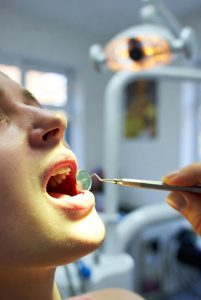
A toothache refers to pain in or around a tooth and the surrounding jaw area. The pain can be mild or severe and may worsen when chewing, drinking hot or cold beverages, or even when lying down. Toothaches are often a sign of an underlying dental problem that requires professional attention.
Ignoring tooth pain may lead to serious complications, including infection or tooth loss.
Common Causes of Toothache
Understanding the cause of your toothache helps determine the right treatment. The most common causes include:
1. Tooth Decay (Cavities)
Tooth decay occurs when bacteria damage the enamel and reach the inner layers of the tooth. This often causes sensitivity and persistent pain.
2. Gum Disease
Inflamed or infected gums can cause pain, swelling, and bleeding. Advanced gum disease may also lead to loose teeth and severe discomfort.
3. Dental Abscess
A dental abscess is a pocket of pus caused by a bacterial infection. It can cause intense pain, facial swelling, fever, and a bad taste in the mouth. This condition requires urgent dental care.
4. Cracked or Broken Tooth
Cracks may not always be visible but can expose sensitive nerves, leading to sharp pain when biting or chewing.
5. Impacted Wisdom Teeth
Wisdom teeth that don’t fully emerge can cause pressure, swelling, and pain in the back of the mouth.
6. Tooth Sensitivity
Sensitivity to hot, cold, or sweet foods can be caused by worn enamel or exposed tooth roots.
Home Remedies for Temporary Toothache Relief
While home remedies do not replace professional dental care, they may help manage pain until you receive proper toothache treatment in Dulwich.
✔ Saltwater Rinse
Rinsing with warm salt water helps reduce bacteria and soothe inflamed gums.
✔ Cold Compress
Applying a cold pack to the outside of the cheek can reduce swelling and numb pain.
✔ Over-the-Counter Pain Relief
Painkillers such as paracetamol or ibuprofen may help reduce discomfort. Avoid placing aspirin directly on the tooth or gums.
✔ Clove Oil
Clove oil has natural antibacterial and numbing properties and may provide short-term relief when applied carefully.
⚠️ Important: These methods only offer temporary relief. If pain persists, professional dental treatment is essential.
Professional Toothache Treatment in Dulwich
Seeing a qualified dentist in Dulwich ensures that the root cause of your toothache is treated properly. Depending on the diagnosis, treatment may include:
1. Dental Fillings
If decay is the cause, the dentist will remove the damaged portion and fill the tooth to restore function and relieve pain.
2. Root Canal Treatment
For severe infections reaching the tooth’s pulp, a root canal may be necessary. This treatment removes infected tissue and saves the natural tooth.
3. Tooth Extraction
If a tooth is severely damaged or infected beyond repair, removal may be recommended to prevent further complications.
4. Gum Treatment
Scaling and deep cleaning are used to treat gum disease and reduce inflammation and pain.
5. Antibiotics
In cases of infection or abscess, antibiotics may be prescribed alongside dental treatment.
6. Wisdom Tooth Removal
Problematic wisdom teeth may need to be extracted to relieve ongoing pain and pressure.
When to See a Dentist Immediately
You should seek urgent toothache treatment in Dulwich if you experience:
-
Severe or persistent tooth pain
-
Facial or jaw swelling
-
Fever or signs of infection
-
Pain that spreads to the ear, neck, or head
-
Difficulty chewing or opening your mouth
Prompt treatment can prevent complications and reduce recovery time.
How to Prevent Toothaches in the Future
Prevention is always better than cure. Maintaining good oral hygiene reduces the risk of tooth pain.
Healthy Dental Habits:
-
Brush twice daily with fluoride toothpaste
-
Floss daily to remove plaque between teeth
-
Limit sugary foods and drinks
-
Visit your dentist regularly for check-ups
-
Address dental issues early before they worsen
Regular dental visits in Dulwich can help detect problems before they cause pain.
Choosing the Right Dentist for Toothache Treatment in Dulwich
When selecting a dental clinic, look for:
-
Experienced and qualified dentists
-
Emergency appointment availability
-
Modern equipment and hygiene standards
-
Clear treatment explanations
-
Positive patient reviews
A trusted local dentist will not only relieve your pain but also help protect your long-term oral health.
Final Thoughts
A toothache is your body’s warning sign that something isn’t right. While temporary remedies may ease discomfort, professional toothache treatment in Dulwich is the safest and most effective way to resolve dental pain.
If you’re experiencing tooth pain, don’t delay. Early treatment can save your tooth, prevent infection, and restore your comfort quickly. Prioritising dental care today can help you enjoy a pain-free smile tomorrow.