Dental veneers have become one of the most popular cosmetic dental treatments in recent years. Whether you want to fix chipped teeth, hide deep stains, or achieve a Hollywood-style smile, veneers can provide a remarkable transformation. They offer a simple, long-lasting, and minimally invasive way to improve your teeth’s appearance. If you’ve been thinking about enhancing your smile, this article will explain everything you need to know about dental veneers in a clear and user-friendly way.
What Are Dental Veneers?
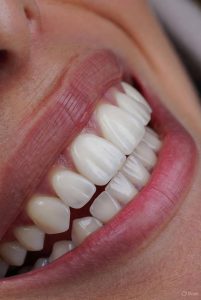
Dental veneers are thin, custom-made shells designed to cover the front surface of your teeth. They are made from either porcelain or composite resin. Once bonded to your teeth, veneers change the color, shape, size, and overall appearance, giving you a beautifully balanced smile.
Types of Veneers
-
Porcelain Veneers
Porcelain veneers are highly durable and look very natural. They resist stains better than composite veneers and usually last 10–15 years with proper care. -
Composite Veneers
These veneers are made from tooth-colored composite resin. They are more affordable than porcelain but may not last as long—usually around 4–7 years.
Who Is a Good Candidate for Dental Veneers?
Veneers are ideal for anyone who wants to correct cosmetic dental issues such as:
-
Discolored or permanently stained teeth
-
Chipped or cracked teeth
-
Gaps between teeth
-
Uneven or misshapen teeth
-
Mildly crooked teeth
-
Small teeth or worn-down teeth
Veneers are a cosmetic solution, so they do not treat underlying dental health issues. If you have gum disease, tooth decay, or weak enamel, your dentist will treat those conditions first.
The Process of Getting Dental Veneers
Getting dental veneers usually requires two to three visits to the dentist. Here’s how the process works:
1. Consultation and Smile Assessment
Your dentist will first examine your teeth, assess your smile goals, and discuss which type of veneers suit you best. You may also see before-and-after examples to help you visualise the results.
2. Tooth Preparation
A small amount of enamel—usually around 0.5 mm—is removed from the surface of your tooth. This step ensures the veneer fits perfectly and looks natural. For those choosing no-prep veneers, enamel removal may not be needed.
3. Taking Impressions
Your dentist will take an impression of your teeth, which is sent to a dental laboratory where custom veneers are crafted. Temporary veneers may be fitted during this period.
4. Final Veneer Placement
Once your veneers are ready, your dentist will check their color, fit, and shape. After making necessary adjustments, the veneers are bonded using dental cement and cured with a special light.
Benefits of Dental Veneers
1. Natural and Beautiful Appearance
Veneers mimic the look of natural teeth, reflecting light like real enamel. This gives your smile a bright, seamless, and natural look.
2. Long-Lasting Solution
Porcelain veneers are extremely durable and can last well over a decade with proper care.
3. Stain Resistance
Porcelain veneers resist stains better than natural teeth, keeping your smile brighter for longer.
4. Minimally Invasive
Unlike crowns, veneers require minimal shaving of the tooth structure.
5. Boosts Your Confidence
A perfect smile can increase your confidence, helping you feel more comfortable in social and professional settings.
How to Care for Dental Veneers
Taking care of veneers is easy and similar to caring for natural teeth:
-
Brush and floss daily
-
Avoid biting on hard objects like ice or pens
-
Limit foods and drinks that cause staining (coffee, tea, red wine)
-
Visit your dentist regularly for checkups
-
Wear a nightguard if you have a habit of grinding your teeth
How Long Do Veneers Last?
With good oral hygiene and proper care:
-
Porcelain veneers last 10–15 years or more
-
Composite veneers last 4–7 years
The lifespan depends on your habits, oral care routine, and regular dental visits.
Are Dental Veneers Painful?
Most patients experience little to no pain during the veneer procedure. A local anesthetic is used during tooth preparation to ensure comfort. After the procedure, mild sensitivity is possible but usually fades within a few days.
Cost of Dental Veneers
The cost of veneers varies depending on:
-
The material (porcelain is more expensive than composite)
-
The number of teeth treated
-
The dentist’s experience
-
Location of the clinic
Although they can be costly, veneers are a long-term investment in your smile and confidence.
Frequently Asked Questions (FAQs)
1. Do veneers ruin your natural teeth?
No. When done by a professional, veneers do not ruin your natural teeth. They require minimal preparation and actually protect the underlying tooth.
2. Can veneers be whitened?
Porcelain veneers cannot be whitened. If you want a brighter shade, whitening should be done before placing veneers.
3. Are veneers permanent?
Veneers are not reversible because a small amount of enamel is removed during preparation. However, they are long-lasting and can be replaced when needed.
4. Can I eat normally with veneers?
Yes. Veneers allow you to eat normally, but avoid chewing hard items or using your teeth as tools.
5. How many veneers do I need?
It depends on your smile goals. Some people get 1–2 veneers, while others choose a full set for a complete smile makeover.