Dental wax is a simple yet highly effective solution used to protect your mouth from irritation caused by braces, wires, and other dental appliances. If you are experiencing discomfort from sharp edges or rough surfaces inside your mouth, dental wax can provide instant relief and help prevent sores and ulcers.
At Dulwich Dentists, we often recommend dental wax as a short-term comfort aid for orthodontic patients and individuals wearing temporary dental appliances.
What Is Dental Wax?
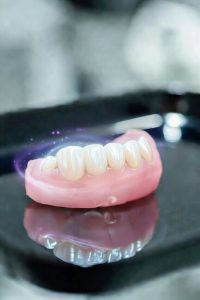
Dental wax is a soft, mouldable material designed to be placed over brackets, wires, or sharp dental edges that rub against the cheeks, lips, or gums. It acts as a protective barrier, reducing friction and allowing irritated areas to heal.
Dental wax is:
-
Safe to use inside the mouth
-
Non-toxic if accidentally swallowed
-
Easy to apply and remove
-
Suitable for both adults and children
It is commonly used by patients with braces, retainers, and temporary dental restorations.
What Is Dental Wax Used For?
Dental wax is mainly used to relieve discomfort caused by orthodontic appliances, but it has several practical applications.
Common Uses of Dental Wax
-
Covering sharp braces brackets or wires
-
Protecting cheeks and lips from irritation
-
Reducing pain from broken or protruding wires
-
Preventing ulcers and mouth sores
-
Temporary comfort while waiting for a dental appointment
Dental wax does not fix the underlying dental issue, but it provides immediate relief until professional treatment is available.
How Does Dental Wax Work?
Dental wax works by creating a smooth surface between your dental appliance and the soft tissues of your mouth. This reduces friction and pressure, which are the main causes of pain and irritation.
Once applied correctly, dental wax:
-
Cushions sensitive areas
-
Allows inflamed tissue to recover
-
Makes eating and speaking more comfortable
-
Prevents further injury to the mouth
Types of Dental Wax
There are different types of dental wax available, depending on your needs.
Orthodontic Wax
This is the most common type, specifically designed for braces and wires. It is soft, flexible, and easy to mould.
Silicone Dental Wax
Silicone wax lasts longer than traditional wax and is more resistant to saliva. It is ideal for patients who need extended protection.
Scented or Flavoured Wax
Some dental wax products are lightly flavoured to improve comfort, especially for younger patients.
Your dentist can advise which type is best for your specific situation.
How to Use Dental Wax Correctly
Using dental wax properly ensures maximum comfort and effectiveness.
Step-by-Step Guide
-
Wash your hands thoroughly
-
Clean and dry the area of the brace or wire
-
Break off a small piece of dental wax
-
Roll it into a small ball
-
Gently press it over the sharp or irritating area
-
Smooth the edges so it stays in place
Dental wax should be removed before eating and replaced afterwards if needed.
How Long Can You Wear Dental Wax?
Dental wax can be worn for several hours at a time, but it may need replacing if it becomes loose or dirty. It is best to:
-
Remove wax before meals
-
Replace it with a fresh piece after brushing
-
Avoid reusing the same wax for long periods
If you need to rely on dental wax constantly, it is a sign that you should see your dentist or orthodontist.
Is Dental Wax Safe?
Yes, dental wax is completely safe to use. It is made from medical-grade materials and is non-toxic. If accidentally swallowed, it will pass through the body without causing harm.
However, dental wax is not a permanent solution. Persistent pain or irritation should always be checked by a dental professional.
When Should You See a Dentist?
While dental wax helps relieve discomfort, you should book an appointment if:
-
A wire is broken or poking into your cheek
-
Brackets are loose or damaged
-
Pain persists for more than a few days
-
You develop severe ulcers or swelling
-
You are unsure how to apply the wax properly
At Dulwich Dentists, we can quickly adjust or repair orthodontic appliances to prevent ongoing irritation.
Dental Wax for Children and Teenagers
Dental wax is particularly helpful for children and teenagers who have recently started orthodontic treatment. The mouth needs time to adjust to braces, and wax can make this transition more comfortable.
Parents should:
-
Keep dental wax readily available
-
Teach children how to apply it safely
-
Encourage proper oral hygiene alongside wax use
Alternatives to Dental Wax
In some cases, alternatives may be recommended:
-
Silicone orthodontic covers
-
Temporary orthodontic gels
-
Professional appliance adjustment
Your dentist can advise the best option based on your treatment.
Frequently Asked Questions About Dental Wax
Can I eat with dental wax on?
It is not recommended. Dental wax may come loose while eating and should be removed beforehand.
How often should I change dental wax?
Change it whenever it becomes loose, dirty, or uncomfortable.
Can dental wax be used on broken teeth?
Dental wax can provide temporary relief from sharp edges, but you should see a dentist as soon as possible.
Does dental wax stop pain completely?
It reduces irritation but does not treat the cause. Persistent pain needs professional care.
Dental Wax Advice at Dulwich Dentists
If you are experiencing discomfort from braces or dental appliances, Dulwich Dentists are here to help. Our experienced dental team can assess the issue, provide professional adjustments, and offer guidance on the correct use of dental wax.
Whether you need emergency advice or routine dental care, we are committed to keeping your smile healthy and comfortable.
Final Thoughts
Dental wax is a simple yet effective tool for managing mouth irritation caused by braces and dental appliances. When used correctly, it can significantly improve comfort and protect sensitive areas until professional care is provided.
If dental discomfort persists, do not rely on wax alone—book an appointment with a trusted dentist to address the root cause.